
Invisalign Clear Aligners: 12 Most Frequently Asked Questions
Due to the significant interest and inquiries regarding Invisalign, Dental Trip has compiled a list of frequently asked questions that many individuals commonly have about Invisalign.
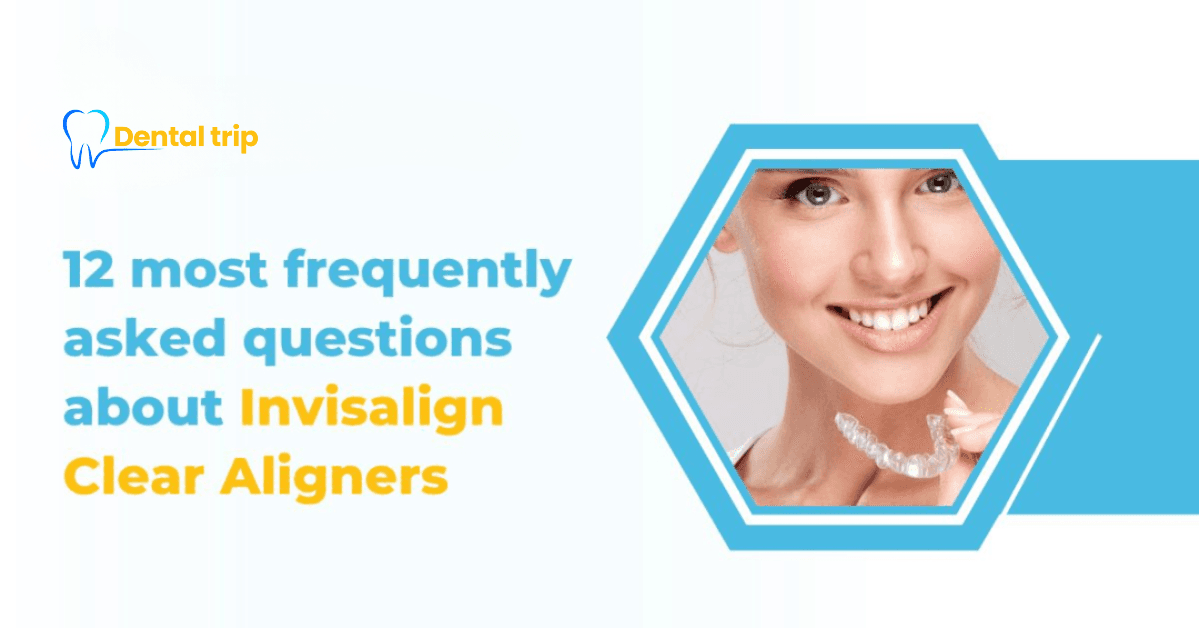
12 most frequently asked questions about Invisalign Clear Aligners - Photo: Dental Trip
Invisalign clear aligner is the popular option for transparent teeth straightening without traditional braces. Despite offering numerous advantages over traditional braces, Invisalign requires stricter compliance and should only be done at reputable and qualified dental addresses.
Therefore, it's important to be familiar with relevant information before making your choice.
12 Most Commonly Asked Questions About Invisalign Clear Aligners
Due to the high level of interest and inquiries about Invisalign, Dental Trip has compiled a list of the most frequently asked questions that many people have about Invisalign.
We hope that our readers will gain valuable insights to choose the superior teeth straightening method for achieving "even, beautiful, and radiant" smiles.
1. Is Invisalign better than braces?
Invisalign is not always better than traditional braces—it depends on your dental condition and treatment goals. Invisalign offers advantages such as being nearly invisible, more comfortable, and removable, which makes eating and oral hygiene easier.
These benefits make it a popular choice for adults and teens with mild to moderate alignment issues.
However, traditional braces are often more effective for complex cases, such as severe crowding, bite problems, or significant tooth movement. Braces also do not rely on patient compliance, while Invisalign requires wearing the aligners at least 20–22 hours a day to be effective.
In short, Invisalign is better for aesthetics and convenience, while braces are better for strength and complex corrections. The best option should be decided after a professional dental examination.
2. How does Invisalign work?
Similar to traditional braces, Invisalign consists of a series of aligner trays that gently move your teeth over time to achieve the desired alignment. Invisalign is suitable for the following cases:
- Crowded teeth, when there's not enough space in your jaw for all your teeth.
- Spacing issues, when there are gaps or spaces between your teeth.
- Crossbite, when both upper and lower jaws are misaligned, causing one or more upper teeth to bite inside the lower teeth and possibly on both the front and sides.
- Overbite, when the upper teeth cover a significant portion of the lower teeth.
- Underbite, when the lower teeth protrude past the upper front teeth, often due to the lower jaw being larger than the upper jaw or the upper jaw being underdeveloped.
3. Are clear aligners suitable for all age groups?
Initially, clear aligners were designed for adults, but now they're also used for older teenagers and younger individuals. Therefore, clear aligners are suitable for people of all ages.
4. What's the average treatment duration?
The treatment duration for clear aligners varies from person to person, but the average time is around 18 - 24 months.
5. What is Propel and how does it work?
Propel is a new technique used in combination with clear aligners to accelerate teeth straightening, reducing treatment time by up to two times.
The treatment takes about 30 minutes and involves creating small perforations in the gums to stimulate a biological response that speeds up tooth movement.
6. Is Invisalign expensive?
7. Is it necessary to remove the aligners while eating?
Yes! Eating with aligners in place can damage them, which may impact the teeth straightening process. Therefore, it's advisable to remove the aligners before eating.
8. How to clean the aligner trays?
Invisalign trays can be cleaned using the provided solution at the dental office. This helps keep the trays and your mouth feeling fresh with a minty taste.
You can also clean the trays using a wet toothbrush, but avoid using toothpaste and brush gently to prevent scratching.
9. Is it true that others can't notice when you're wearing aligners?
It's difficult to notice clear aligners because they're made from specialized, transparent materials. Unlike traditional braces, clear aligners are discreetly designed.
10. Do aligner trays affect speech?
Speech may be slightly affected during the first few days of wearing aligner trays. However, after about one week, your speech should return to normal.
11. Do you need to wear retainers after Invisalign treatment?
Yes! Teeth are continually shifting, and to protect your investment in teeth straightening, it's recommended to wear retainers after completing Invisalign treatment.
Retainers are designed for comfortable wear and help maintain the desired teeth alignment.
12. Is teeth straightening really necessary?
Crooked teeth provide favorable conditions for hidden bacteria growth and development. Teeth straightening is a long-term investment in oral health. In this regard, clear aligners can help reduce discomfort and enhance aestheticism, and prevent teeth from falling out prematurely.
In spite of the high cost at first hand, this orthodontic method help to save money as requiring less time and additional procedures, or you can choose to make payment for Invisalign in installment.
Where to Find Trusted Information and Invisalign Providers
When considering Invisalign clear aligners, choosing the right clinic is just as important as understanding the treatment itself.
Dental Trip supports patients by providing clear, reliable information and access to verified dental clinics with experienced orthodontists.
Through Dental Trip, readers can explore treatment options, compare clinics, and conveniently book consultations for Invisalign with confidence and peace of mind.
FAQ
Common questions international patients ask before booking.
Book Your Dental Appointment
Find trusted dentists and clinics matched to your treatment needs.
Doctor Pham Thi Thuy Dung
ADDRESS
Doctor Le Thi Bich Phuong
ADDRESS
Doctor Cao Thi Linh
ADDRESS
Braces at Elite Dental
From $2,300 to $5,400
ADDRESS
Doctor Lam Van Vuong
ADDRESS
Doctor Le Ngoc Quynh
ADDRESS
Related Articles
Explore more articles related to this topic.
Browse topics
Explore the main DentalTrip guide categories.