Dental crowns abroad in 2026: A smart traveller’s guide to saving big without sacrificing quality
Dental tourism is rapidly booming in countries with well-developed healthcare and tourism industries. If you are planning to travel abroad for dental veneers, save this article now to gain more useful insights.
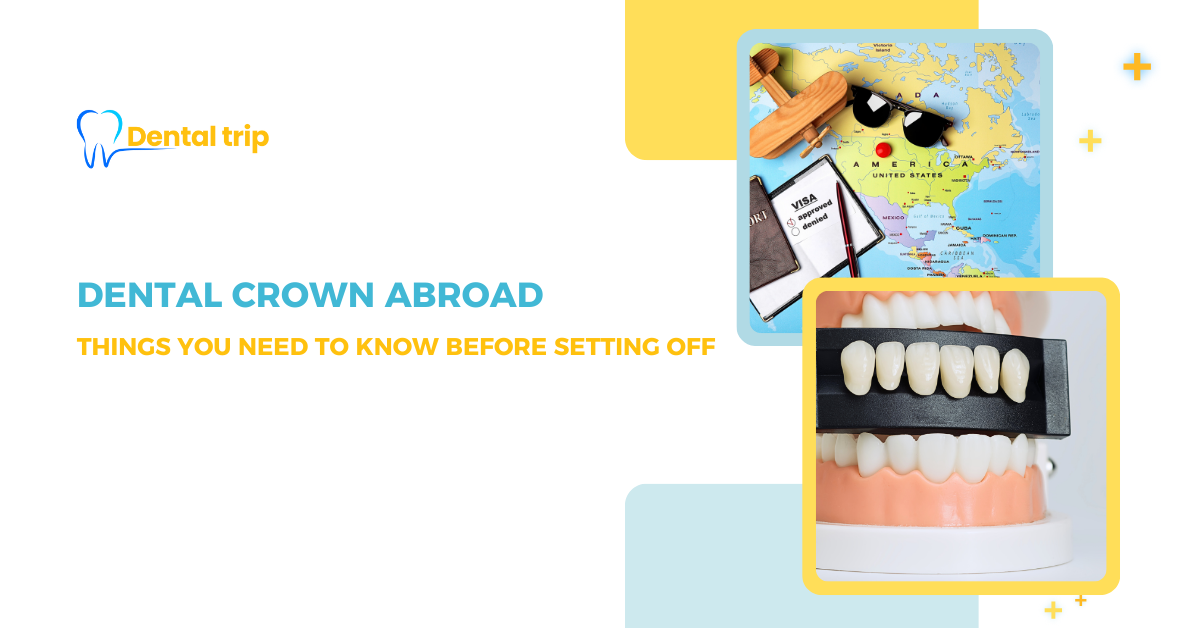
Things to know about Dental crowns abroad - Photo: Dental Trip
Are you tired of sky-high dental bills? Do you dream of regaining your confidence with a shine-worthy smile—without wiping out your savings? Welcome to the ultimate 2026 guide on getting dental crowns abroad.
Dental Trip brings you everything you need: from reliable cost breakdowns to expert tips, patient stories, and essential “gotchas” every savvy dental tourist should know.
Why consider getting dental crowns abroad?
Seeking dental crowns overseas offers patients not only massive cost savings but also access to world-class clinics, cutting-edge dental technology, and the chance to explore new destinations.
In 2026, dental tourism is booming, thanks in part to tightening budgets at home and rapidly advancing standards across leading international dental hubs.
The cost advantages: Quality care without the hefty price tag
It’s no secret that dental crowns can be prohibitively expensive at home. In the US, a single crown can cost anywhere from $1,200–$2,000.
According to the American Dental Association, out-of-pocket dental expenditures rose another 4.6% in 2025, making affordable care increasingly elusive for many Americans and Canadians.
By heading abroad, patients can slash costs by 50–80%. For example, if you need three crowns, you might face a $3,600 bill in the States—but that same treatment, including travel, may total just $1,800 in Mexico or Vietnam.
This isn't just pocket change; it’s a life-changing savings, especially if you have multiple teeth in need of treatment.
Real-World cost comparison
- Three crowns in Los Angeles, CA: $3,700 (treatment only)
- Three crowns + weeklong trip in Cancun, Mexico: $1,800 (treatment, flights, hotel, meals)
Savings like these make dental tourism a compelling option in 2026, especially given global inflation and rising healthcare costs in developed countries.
The top dental tourism destinations in 2026
When picking a destination, smart travelers weigh not just cost but also quality, convenience, and the overall patient experience. Here are the standouts:
- Mexico: English-speaking dentists, modern clinics along the border, direct flights from North America.
- Turkey: Renowned for high-end dental technology and luxurious patient suites.
- Hungary: Strict EU standards, highly trained dentists, and charming cities like Budapest—a favorite for UK and German patients.
- Costa Rica: Quick flights from the US, rising dental standards, and lush vacation surroundings.
- Vietnam & India: Low prices, advanced techniques, and vibrant cultural experiences—perfect for adventurers seeking both dental and travel thrills.
According to the 2025 Global Dental Tourism Index, these countries consistently rank high for safety, affordability, and patient satisfaction.

Motivations beyond saving money
Saving thousands is great—but it’s not the only draw. Many dental tourists report they’re also motivated by:
- Access to newer techniques (such as digital impressions or same-day crowns) not always available in their home country.
- Rapid scheduling: No months-long waitlists.
- The ability to combine essential care with a vacation.
- Positive word-of-mouth from friends or online reviews—87% of dental tourists surveyed by Dental Departures in 2025 cited recommendations as their top reason for choosing a specific clinic.
Beyond affordability, these benefits help explain why dental tourism is expected to reach $5.8 billion in global value by 202.
How much do dental crowns cost abroad in 2026? Where Is the Cheapest?
Dental crown prices vary by country, region, and clinic quality, but top destinations offer similar standards at vastly different rates. Here’s an updated snapshot for 2026:
|
Country |
Typical Per Crown Cost |
Avg. Total Trip (Treatment + Travel) |
|---|---|---|
|
Mexico |
$250–$500 |
$1,200–$2,500 |
|
Turkey |
$300–$600 |
$1,500–$2,800 |
|
Hungary |
$350–$600 |
$1,700–$3,000 |
|
Costa Rica |
$400–$600 |
$1,800–$3,200 |
|
$200–$400 |
$1,100–$2,000 | |
|
India |
$200–$400 |
$1,000–$1,800 |
|
US/Canada |
$1,200–$2,000 |
N/A |
(Source: Compiled from Google)
Breaking down all your expenses
While the crown price is a major factor, your full “dental holiday” cost includes:
- Procedure: $200–$600 per crown; most travelers need 2–4 crowns.
- Flights: $300–$1,200 roundtrip depending on distance and season.
- Lodging: $30–$100 per night; recommended 5–10 nights for safe recovery.
- Meals & Transport: $25–$50 per day.
- Extras: Activities, shopping, local tours, and emergency buffer funds.
Travel tip: If you’re getting multiple crowns, your travel costs are divided among them, maximizing your per-crown savings.
Best value destinations — More than just Mexico & Turkey
Mexico and Turkey remain the go-to spots, but 2026 is seeing a surge in new favorites:
- Costa Rica: US-trained dentists, seamless English communication, and stunning beachside clinics.
- Vietnam: Ultramodern clinics in cities like Ho Chi Minh City and Hanoi, blending global standards with an affordable, exotic locale.
- Hungary: Famous for its “dental resorts” catering to groups and blended family holidays, with all-inclusive deals.
According to a 2024 Dental Economics study, 92% of dental tourists rated their experience in these countries as “good” or “excellent”—with value for money topping the list of reasons.
How to choose a high-quality clinic and dentist abroad
Your health is your most valuable asset. Before booking that flight, ensure you’re selecting a clinic that meets rigorous international standards.
Check accreditations and qualifications
Verified clinics prominently display their credentials. Look for:
- International accreditations: JCI (Joint Commission International), ISO certifications, TEMOS.
- Dentist qualifications: Western or internationally accredited dental schools, continuous training, memberships in professional societies (like ADA or FDI World Dental Federation).
- Experience: At least 5–10 years post-graduate, with evidence of ongoing professional development.
Pro tip: Ask for scanned copies or links to official accreditation bodies. Many large clinics also offer virtual tours.
Scorecard for vetting overseas clinics
Dental Trip recommends this easy-to-use checklist:
- Do their before/after photos match your needs?
- Will they provide references from past international patients?
- Is their communication prompt and clear—in English or your preferred language?
- What are their warranty and aftercare policies?
- Do they offer pre-treatment video consultations?
A 2024 PwC global health survey found that 47% of patients cited “unclear clinic information” as their number one stressor—so don’t be afraid to double-check.
Guarantees and aftercare: What’s standard?
Reliable clinics typically offer:
- Crown warranties: 1–3 years against material defects or fit issues.
- Free/discounted remakes: For issues identified within a set period.
- Aftercare support: Remote advice, local dentist referrals, or partnerships for warranty claims in your country.
Always get these promises in writing! Some clinics even provide free post-treatment checkups if you return within a certain timeframe.
Materials and technologies: Are dental crowns abroad the same quality?
Absolutely—many leading international clinics boast technologies and materials on par with, or even superior to those in the US, Canada, UK, or Australia.
Types of crown materials used Internationally
- Zirconia: Exceptionally durable, entirely metal-free, and looks natural.
- E-max (Lithium disilicate): Highest translucency, perfect for front teeth.
- Porcelain-fused-to-metal (PFM): Longtime favorite for strength and cost-conscious patients.
- Gold alloy: Still preferred for back molars in some cases, thanks to its durability.
According to the ADA, zirconia and E-max crowns represent 75% of crowns placed worldwide in 2025 thanks to their strength and aesthetics.
Pros & cons—Choosing what’s right for you
- Zirconia: Best for those who grind teeth or want maximum toughness—studies show less than a 2% failure rate over 7 years (PubMed, 2025).
- E-max: Favored for its ultra-natural look; often used for front teeth, with a 95–97% five-year survival rate.
- PFM: Highly reliable and cost-effective—can show a dark gum edge over time.
- Gold: Rare in modern cosmetic use, but unmatched for longevity in heavy-bite areas.
Brand integrity and source transparency
Trusted clinics use materials from reputable sources—brands like Ivoclar Vivadent, 3M, and Dentsply—so don’t hesitate to ask for specifics. Insist on documentation; leading clinics provide lab certificates for your records.
What are the risks of getting dental crowns abroad - and How to manage?
Dental tourism isn’t risk-free. Potential issues include remakes, communication barriers, warranty disputes, or post-op complications. However, thorough research, choosing accredited clinics, and clear procedures significantly reduce these risks.
Complication rates and most common issues
Complications for dental crowns abroad are low in accredited clinics:
- Remakes or fit adjustments: 2–5% of cases
- Sensitivity or bite correction: Slight discomfort, resolved with minor tweaks
- Infection or major failure: Less than 1%, per Dental Trip 2025 clinic survey
Almost all minor complications are covered by warranties or aftercare.
What to do if problems arise after returning home?
If you experience issues after returning—such as discomfort, crown movement or biting problems:
- Contact your clinic: Most offer remote support and may cover adjustments under warranty
- Visit a local dentist: Keep all records, x-rays, and treatment contracts for recourse or reimbursement
- Activate your warranty: Clinics may cover crown remakes or refund portions of your treatment
- Utilize Dental Trip support: They can mediate disputes with clinics and advise next steps
What is the usual process and timeline for crown treatment abroad?
Dental crown treatment abroad is engineered for speed and convenience. Clinics commonly offer streamlined appointment schedules and support throughout:
Typical patient timeline - From inquiry to final fitting
- Online inquiry and consultation: 1–3 days, often including digital x-ray review
- Clinic booking and travel: 2–10 days, depending on flight availability
- First appointment and prep: Examination, tooth cleaning, impressions (1 hour)
- Crown fabrication: 2–7 days (local labs or in-clinic CAD/CAM milling)
- Fitting and adjustment: 30–60 minutes during a follow-up visit
Most patients complete their crowns in 8–12 days, but some clinics offer same-day crowns using advanced scanning and milling technology.
Dental Trip recommends leaving 1–2 extra days in your itinerary for unexpected adjustments.
Important things to keep in mind when traveling abroad for dental treatment.
Dental Trip understands that seeking dental care overseas can raise hundreds of questions and concerns. That’s why we have analyzed, researched, and compiled the most common issues you may be interested in into the table below, making it easier for you to review and grasp the information.
| How to prepare travel itinerary and accommodations? |
|
| How to overcome communication and language barriers? |
Communication is key for safe, satisfying dental care abroad. Trusted clinics are prepared:
Dental Trip’s research highlights that 89% of dental tourism patients rate communication as “excellent” at leading clinics. |
| Questions to ask before booking |
|
| Handling consent and complex Information |
|
| Where to find trustworthy patient reviews and photos |
|
Why choose dental crown in Vietnam?
Vietnam has rapidly emerged as a top destination for dental crown, attracting patients from around the world thanks to its unique combination of affordability, quality, and convenience.
One of the most compelling reasons to choose Vietnam for dental crown is cost-effectiveness without compromising standards. Compared to countries such as the United States, Australia, or those in Western Europe, the cost of porcelain crown in Vietnam can be 50–70% lower, while still using internationally recognized materials and technologies.
Another major advantage lies in the high level of professional expertise. Vietnamese dentists specializing in cosmetic dentistry often receive advanced training abroad or participate regularly in international dental conferences and certification programs.
Many clinics focus heavily on aesthetic dentistry, ensuring crown are not only durable but also natural-looking and customized to each patient’s facial features, skin tone, and smile line.
Digital smile design (DSD), 3D scanning, and CAD/CAM technology are now widely used, allowing patients to preview results before treatment begins.
Vietnam also stands out for its modern dental facilities and strict hygiene standards. Reputable clinics invest heavily in advanced equipment, sterile treatment environments, and globally sourced materials from brands such as Ivoclar, Emax, or Zirconia manufacturers. This creates a treatment experience that meets — and often exceeds — international expectations.
Beyond clinical quality, Vietnam offers a seamless dental tourism experience. Many dental clinics provide comprehensive support services, including English-speaking staff, treatment planning, airport pickup, accommodation assistance, and post-treatment follow-up.
This level of care significantly reduces stress for international patients and allows them to focus on recovery and enjoyment.
Finally, choosing Vietnam means combining dental care with an unforgettable travel experience. From vibrant cities like Ho Chi Minh City and Hanoi to stunning beaches and cultural landmarks, patients can enjoy a relaxing holiday while enhancing their smile. Short treatment timelines for crown also make Vietnam ideal for those with limited travel time.
In summary, Vietnam offers an exceptional balance of affordability, expertise, advanced technology, and travel appeal — making it a smart and increasingly popular choice for dental crown.
Why choose Dental Trip for your dental treatment in Vietnam?
Dental Trip is your trusted companion when planning dental treatment in Vietnam, designed to make your journey smooth, transparent, and stress-free from start to finish.
We specialize in connecting international patients with carefully selected, reputable dental clinics that meet high professional standards, modern technology requirements, and international hygiene protocols.
What sets Dental Trip apart is our patient-centered approach. We don’t just help you book a dental appointment — we guide you through the entire process.
From choosing the right clinic and dentist for your needs, to treatment consultation, cost estimation, scheduling, and ongoing support, every step is handled with clarity and care.
Our team understands the concerns of traveling abroad for dental treatment and is committed to answering your questions honestly and thoroughly.
If you are planning to come to Vietnam for dental care, booking through Dental Trip ensures peace of mind, time savings, and quality assurance. Let us help you turn your dental journey into a safe, efficient, and rewarding experience.
Written by Dental Trip. This guide distills the latest research, data, and real patient feedback to empower savvy dental tourists in 2026. For detailed country recommendations and verified patient testimonials, visit DentalTrip.io.
FAQ
Common questions international patients ask before booking.
Related Articles
Explore more articles related to this topic.
Browse topics
Explore the main DentalTrip guide categories.