Is Dental Treatment in Vietnam Safe for Australians? A Complete Guide
Is dental treatment in Vietnam safe for Australians? Learn about dentist qualifications, clinic standards, infection control, insurance, risks and how to choose a safe dental clinic in Vietnam.
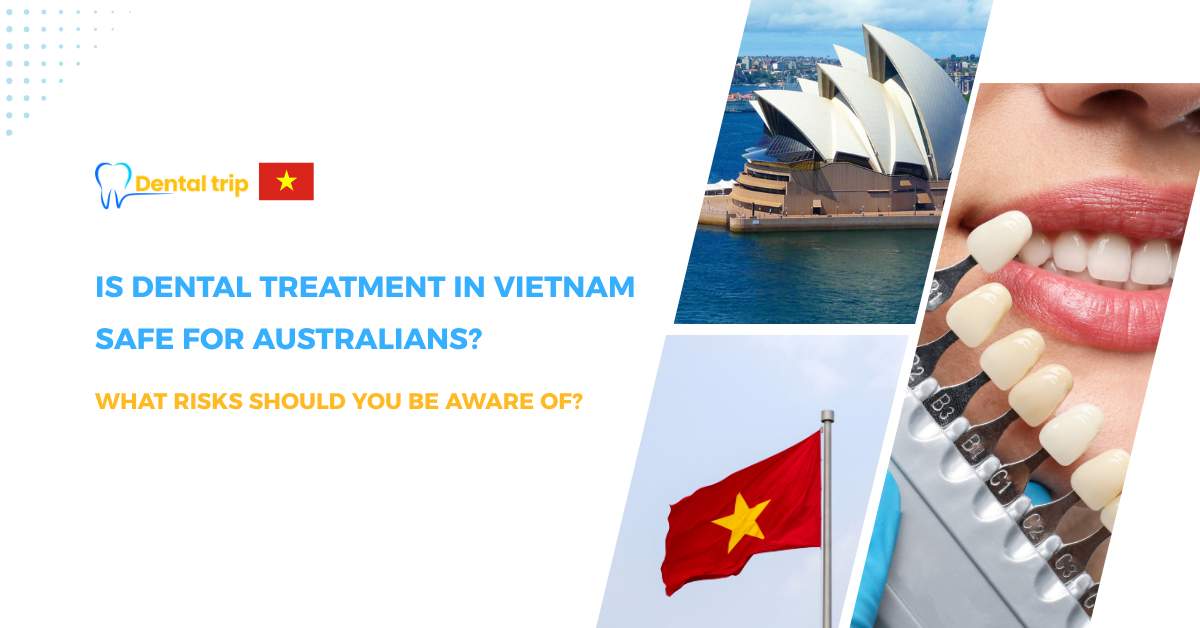
Is Dental Treatment in Vietnam Safe for Australians? - Photo: Dental Trip
Dental treatment in Vietnam can be a safe and cost-effective option for Australians when you choose a qualified dentist and a reputable clinic. However, lower prices should not be the only factor in your decision.
From dentist qualifications and infection control to treatment quality, insurance and follow-up care, there are several important things you should check before booking.
This guide explains what Australian patients need to know to make a safer and more informed decision about dental treatment in Vietnam.
Is Dental Treatment in Vietnam Safe for Australians?
Yes, dental treatment in Vietnam can be safe for Australians, but the quality and safety of care can vary between clinics.
The most important factors are the dentist's qualifications, clinic standards, infection-control procedures, treatment planning, materials, communication and aftercare.
Vietnam has become an increasingly considered destination for Australians seeking dental treatment overseas, particularly because treatment can be more affordable and can be combined with a holiday.
Australia's Smartraveller identifies dentistry as one of the common forms of medical tourism for Australians. However, it also warns that overseas treatment can involve different healthcare standards, insurance limitations and difficulties with follow-up care.
So, the better question is not simply “Is dental treatment in Vietnam safe?”
It is:
“How can I choose a dental clinic in Vietnam that provides safe, appropriate and well-planned treatment?”
This guide explains what Australian patients should check before booking dental treatment in Vietnam.
Is Dental Treatment in Vietnam Worth It for Australians?
Dental treatment in Vietnam may be worth considering if you are willing to research your options carefully and understand the risks involved.
It may make sense if you:
- Have compared treatment plans rather than just prices
- Have researched the dentist
- Understand the procedure and potential risks
- Have enough time for the recommended treatment
- Have a clear follow-up plan
- Understand your insurance coverage
- Receive complete treatment documentation
It may be less suitable if you:
- Choose a clinic based only on the lowest price
- Have very limited time
- Need highly complex treatment without adequate follow-up
- Have not checked insurance exclusions
- Are uncomfortable receiving treatment outside Australia's healthcare system
Ultimately, dental tourism should be treated as a healthcare decision first and a travel decision second.

Why Are Australians Choosing Vietnam for Dental Treatment?
Dental tourism is not a new concept. Australians may consider treatment overseas because of lower treatment costs, shorter waiting times or access to specific procedures. Smartraveller lists dentistry among the most common procedures Australians travel overseas to receive.
Vietnam can also be attractive because patients can combine dental treatment with a holiday. Depending on the procedure, visitors may have time to explore destinations such as Hanoi, Da Nang or Ho Chi Minh City between appointments.
However, lower cost should not be the only reason to choose a clinic.
A cheaper quote may look attractive initially, but the total cost can change if additional procedures, complications, extended accommodation or follow-up treatment are required.
The Australian Dental Association (ADA) specifically advises Australians considering overseas elective dental treatment to compare factors such as dentist qualifications, infection control, materials, treatment techniques, insurance and complaint-resolution mechanisms with what they would expect in Australia.
What Are the Main Risks of Dental Treatment Overseas?
Every dental procedure carries some level of risk, whether it is performed in Australia or overseas. Dental tourism adds additional considerations because you are receiving treatment away from your usual dentist and healthcare system.
1. Differences in professional and clinical standards
Healthcare standards can vary between countries, regions and individual clinics. Smartraveller recommends researching the destination, healthcare facility, doctor and specific procedure before travelling.
This does not mean that every dental clinic in Vietnam provides low-quality care. Instead, it means Australian patients should assess each clinic individually rather than assuming that all clinics offer the same standard of treatment.
2. Infection control
Sterilisation and infection prevention are particularly important for dental treatment.
The ADA notes that infection-control standards overseas may not always meet Australian standards and recommends that patients consider infection prevention, including the quality of water supplied to dental clinics.
When visiting a clinic, look for:
- Clean and organised treatment rooms
- Appropriate protective equipment
- Sterilised instruments
- Properly packaged sterile instruments
- Single-use items where appropriate
- Clear sterilisation procedures
- Good general hygiene throughout the clinic
3. Communication problems
Communication is especially important for procedures such as implants, veneers, crowns and full-mouth rehabilitation.
You should understand:
- What treatment you need
- Why you need it
- What alternatives are available
- What the procedure involves
- How long treatment will take
- What the potential risks are
- What aftercare is required
If you cannot clearly communicate with your dentist, ask whether the clinic has an English-speaking dentist, coordinator or interpreter.
4. Follow-up and complications
Some dental procedures require monitoring after treatment.
The challenge is that you may return to Australia before the treatment has completely stabilised. The ADA warns that ongoing and corrective treatment can become more difficult when treatment records or complete details of overseas treatment are unavailable.
For complex treatment, always ask:
“What happens if I have a problem after I return to Australia?”
How Can Australians Check if a Vietnamese Dentist Is Qualified?
One of the most important steps is to research the individual dentist, not just the clinic.
Before booking, ask for information about:
- Dental qualifications
- Years of clinical experience
- Areas of expertise
- Experience with your specific procedure
- Implant training or other relevant postgraduate training
- Professional registration or licensing
- Experience treating international patients
- Before-and-after cases where appropriate
For example, if you are considering dental implants, do not choose a clinic solely because it advertises cheap implants.
Ask:
- Who will place the implant?
- How experienced is the dentist with implant surgery?
- Which implant brand will be used?
- What happens if bone grafting is required?
- How many appointments are needed?
- What follow-up is provided?
- What warranty or aftercare policy applies?
Smartraveller also recommends checking whether the doctor performing the procedure is qualified and accredited and researching their reputation and previous patient experiences.
Are Dental Clinics in Vietnam Hygienic?
Some Vietnamese dental clinics maintain high standards of hygiene and modern clinical facilities, but patients should assess the individual clinic rather than assuming all clinics are equivalent.
A clean website or impressive social-media page is not enough.
When researching a clinic, look beyond marketing photos and consider the actual clinical environment.
What should you look for?
- Sterilisation: Ask how instruments are sterilised and whether sterile instruments are individually packaged.
- Treatment rooms: Rooms should appear clean, organised and appropriately maintained.
- Disposable equipment: Single-use items should be used where clinically appropriate.
- Protective equipment: Dentists and staff should follow appropriate infection-control procedures.
- Diagnostic equipment: For complex procedures, appropriate imaging and diagnostic technology can help with treatment planning.
- Documentation: The clinic should be able to provide a clear treatment plan and treatment records.
The goal is not to judge a clinic based purely on appearance. Instead, ask whether the clinic can clearly explain its procedures and answer reasonable questions about safety.
Here’s a video showing the dental implant procedure at a reputable dental clinic in Vietnam, giving you a more objective look at the treatment process, infection control, sterilisation, and clinical standards.
Is Dental Treatment in Vietnam Cheaper Than in Australia?
In many cases, dental treatment in Vietnam can cost less than comparable treatment in Australia. Lower operating and labour costs are among the reasons Australians consider overseas treatment.
However, cheap does not automatically mean good, and expensive does not automatically mean safe.
Rather than comparing only the headline price, compare the complete treatment package.
For example, a dental implant quote should clarify whether it includes:
- Consultation
- X-rays or CBCT
- Implant fixture
- Abutment
- Crown
- Temporary restoration
- Bone grafting, if required
- Medication
- Follow-up appointments
- Warranty
A quote that initially looks cheaper may not include everything you need.
The safest approach is to compare treatment plans, not just prices.
What Should Australians Ask Before Booking Dental Treatment in Vietnam?
Before paying a deposit or booking a flight, ask the clinic these questions:
| Category | Questions to Ask | Why It Matters |
|---|---|---|
| Dentist |
| Helps you assess the dentist’s expertise and experience. |
| Treatment |
| Helps you understand the treatment plan, risks and required travel time. |
| Materials |
| Allows you to verify the materials and keep records for future reference. |
| Cost |
| Helps prevent unexpected costs during treatment. |
| Aftercare |
| Ensures you know how follow-up care and potential complications will be handled. |
What Happens If Something Goes Wrong?
This is one of the most important questions for any Australian considering dental tourism.
A complication may require additional treatment, another trip to Vietnam or treatment from a dentist in Australia.
The ADA warns that corrective treatment after overseas dental care can be complicated by factors such as unavailable treatment records, incompatible product systems or techniques and difficulties finding a dentist willing or able to continue treatment.
To reduce this risk, ask the clinic for:
- Your complete treatment plan
- Dental X-rays
- CBCT scans, when applicable
- Details of materials used
- Implant brand and model, if applicable
- Treatment dates
- Procedure details
- Medication information
- Warranty documents
- Emergency contact details
The ADA also recommends obtaining a written report and radiographs after emergency dental treatment overseas so they can be provided to your regular dentist when you return to Australia.
Does Travel Insurance Cover Dental Treatment in Vietnam?
Do not assume that your standard travel insurance covers planned dental treatment overseas.
Smartraveller states that basic travel insurance policies rarely cover medical tourism. Australians considering an overseas procedure should check whether their policy covers the specific procedure, post-operative care, complications and medical evacuation.
Before travelling, check your Product Disclosure Statement (PDS) and ask your insurer:
- Is planned dental treatment covered?
- Are complications covered?
- Is post-operative care covered?
- Is emergency dental treatment covered?
- Is medical evacuation covered?
- Are pre-existing dental conditions excluded?
- Do I need specialised medical-tourism insurance?
Smartraveller also warns that Australians are responsible for overseas medical costs and that Medicare does not cover treatment overseas.
For this reason, insurance should be checked before booking treatment, not after something goes wrong.
10 Red Flags When Choosing a Dental Clinic in Vietnam
Be cautious if a clinic:
- Focuses almost entirely on extremely low prices.
- Cannot clearly identify the dentist performing your treatment.
- Refuses to provide a written treatment plan.
- Cannot explain why a procedure is necessary.
- Does not disclose material or implant brands.
- Pressures you to book immediately.
- Promises guaranteed or perfect results.
- Has unclear aftercare arrangements.
- Cannot provide treatment records or diagnostic images.
- Relies only on testimonials and before-and-after photos without providing meaningful clinical information.
Be especially careful with claims that sound too good to be true.
How Long Should You Stay in Vietnam for Dental Treatment?
There is no single ideal length of stay.
Your treatment timeline depends on:
- The procedure
- Your oral health
- Whether you need preliminary treatment
- Healing requirements
- The number of teeth involved
- Whether multiple appointments are required
A simple cleaning or whitening appointment may be completed quickly, while veneers, crowns or complex implant treatment may require several appointments.
For complex treatment, avoid planning your entire trip around an unrealistically short treatment window.
A good clinic should be able to provide a proposed timeline before you travel.
How Can Dental Trip Help Australians Find Dental Care in Vietnam?
Choosing a dental clinic in another country can feel overwhelming, especially when you are comparing unfamiliar clinics, dentists, prices and treatment plans.
Dental Trip can help make the process easier by:
Understanding your dental needs
Tell us what treatment you are considering, your preferred destination and your budget.
Connecting you with suitable clinics
Instead of choosing a clinic based only on popularity or price, we can help identify options that match your treatment needs.
Helping you compare options
You can compare information such as:
- Treatment options
- Estimated costs
- Dentist experience
- Clinic location
- International-patient support
- Appointment availability
Helping with communication
If communicating with Vietnamese clinics feels difficult, Dental Trip can help facilitate communication and make it easier to clarify your questions before you book.
Helping you prepare for your dental trip
We can also help you understand what information to ask for before travelling, so you can make a more informed decision.
Dental Trip does not replace professional medical advice. Our role is to help international patients navigate their options more easily and make informed decisions.
Final Thoughts: Is Dental Treatment in Vietnam Safe for Australians?
Dental treatment in Vietnam can be safe for Australian patients, but safety depends on choosing the right dentist and clinic and planning your treatment carefully.
The fact that treatment is cheaper does not automatically make it unsafe. At the same time, a low price should never be treated as proof of good value.
Before travelling, research the dentist, check the clinic's standards, understand your treatment plan, ask about materials and infection control, confirm aftercare arrangements and check your insurance.
For Australians, the most important question is not:
“How much can I save?”
It is:
“Am I choosing the right clinic, the right dentist and the right treatment plan for my needs?”
Taking the time to answer that question can make your dental trip to Vietnam much more informed and predictable.
FAQ
Common questions international patients ask before booking.
Related Articles
Explore more articles related to this topic.

Browse topics
Explore the main DentalTrip guide categories.