
Dental clinic hygiene standards in Vietnam: What international patients should know
Dental clinics in Vietnam operate under healthcare regulations issued by the Ministry of Health. This article explains infection control, hygiene practices, instrument sterilization, treatment-room standards, etc. for international dental tourists.
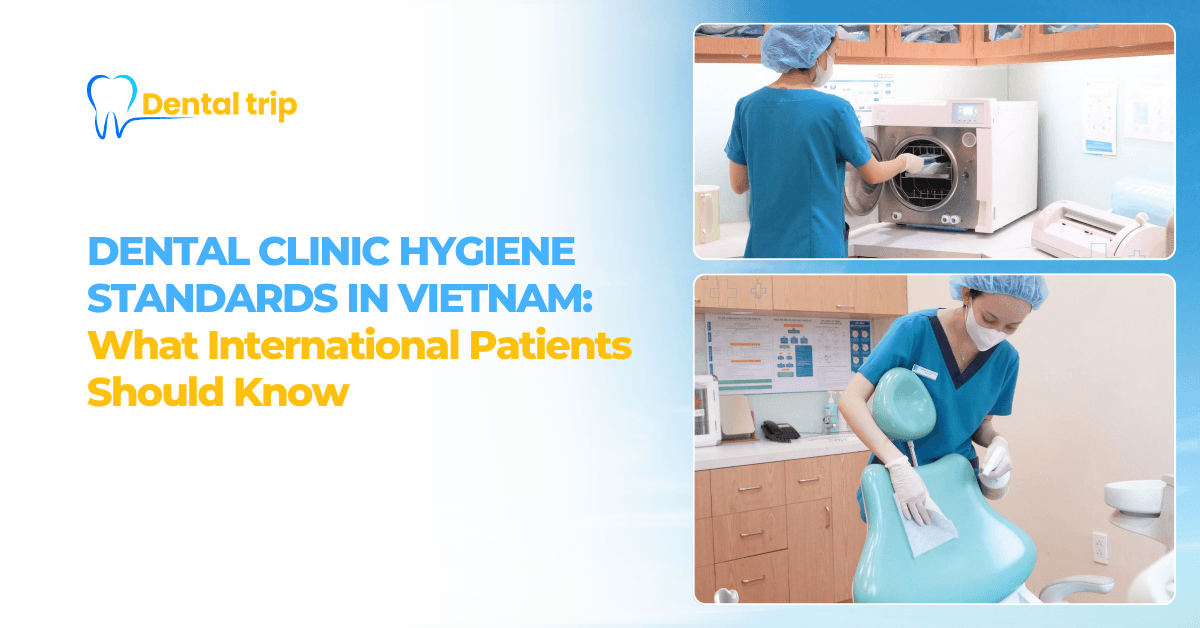
Dental clinic hygiene and infection control in Vietnam - Source: dentaltrip.io
International patients may worry about infection control because dental treatment involves close contact with saliva, blood and oral tissues, while some dental instruments are designed for reuse after appropriate cleaning, disinfection or sterilization.
For Australians, Americans and other patients considering dental tourism in Vietnam, understanding infection control practices can provide greater peace of mind about receiving dental treatment in Vietnam.
Dental clinics in Vietnam are required to follow infection prevention and control regulations set by the Ministry of Health, covering areas such as hand hygiene, instrument sterilization, environmental hygiene, healthcare waste management and exposure prevention.
What is infection control in dentistry and why does it matter?
Infection control in dentistry is a set of measures used to reduce the risk of microorganisms being transmitted between patients, dental professionals, equipment and the treatment environment.
Cross-infection control is a mandatory requirement in dentistry because the oral cavity contains a high concentration of microorganisms, and most dental procedures involve direct or indirect contact with blood and saliva.
Without strict infection-control measures, there is a risk of transmitting serious infections such as hepatitis B and hepatitis C.
In a dental clinic, infection control can include:
- Hand hygiene before and after patient care
- Personal protective equipment (PPE) such as gloves, masks and eye protection when appropriate
- Standard precautions applied during patient care
- Cleaning, disinfection and sterilization of reusable instruments
- Safe handling of contaminated instruments
- Use and disposal of single-use items
- Cleaning and disinfection of clinical surfaces and equipment
- Safe handling of sharps
- Management of healthcare waste
- Procedures for preventing and managing exposure to infectious microorganisms
Does Vietnam have infection control standards for dental clinics?
Yes. Dental clinics in Vietnam are subject to infection prevention and control requirements set by the Ministry of Health.
One of the key regulations is Circular 16/2018/TT-BYT, issued by Vietnam's Ministry of Health on infection control in healthcare facilities.
The regulation requires healthcare facilities to establish and implement infection-control procedures and includes requirements covering hand hygiene, standard precautions, PPE, medical equipment and instrument processing, healthcare waste, environmental hygiene and prevention of exposure to microorganisms.
For dental clinics, infection control is also reflected in inspection criteria for dental and maxillofacial clinics.
What does infection control cover in a dental clinic in Vietnam?
Infection control covers the people, instruments, treatment environment, waste and processes that could contribute to the transmission of microorganisms.
| Area | What it involves |
|---|---|
| Hand hygiene | Handwashing or hand antisepsis at appropriate times during patient care |
| Standard precautions | Measures applied to all patients regardless of their known infection status |
| PPE | Gloves, masks, eye protection and other protective equipment based on the procedure and exposure risk |
| Dental instruments | Cleaning, disinfection or sterilization according to the type and intended use of the instrument |
| Single-use items | Appropriate use and disposal after each patient |
| Treatment surfaces | Cleaning and disinfection of clinical contact surfaces |
| Sharps | Safe handling and disposal of needles and other sharp instruments |
| Healthcare waste | Classification, collection, storage, transportation and treatment according to applicable requirements |
| Environmental hygiene | Maintaining appropriate hygiene of surfaces, air, water and other clinical areas |
| Staff procedures | Training, supervision and compliance with infection-control procedures |
The exact process can vary depending on the type of treatment and the equipment being used. For example, an implant procedure involves different infection-control considerations from a routine dental examination.
How are dental instruments cleaned, disinfected and sterilized?
Guidance on infection control describes a controlled sequence for reusable instruments: cleaning and drying, inspection, packaging, sterilization, storage and distribution.
In dental clinics in Vietnam, reusable instruments are processed through infection-control procedures before they are used for another patient.
The process generally includes the following steps:
1. Collection and classification
After use, instruments are collected and classified according to their level of contamination and processing requirements. Single-use items are discarded according to healthcare waste-management regulations.
2. Cleaning
Instruments are cleaned to remove blood, saliva and other organic material from their surfaces. Depending on the type of instrument and the clinic's facilities, cleaning may be performed manually or with specialized equipment such as an ultrasonic cleaner.
3. Rinsing, drying and inspection
After cleaning, instruments are rinsed and dried. Staff inspect them for cleanliness, condition and functionality before further processing. Instruments that are damaged or not adequately clean should be reprocessed or removed from use.
4. Packaging
Instruments requiring sterilization are placed in appropriate packaging before being loaded into the sterilizer. Packaging helps protect the instruments from contamination after sterilization during storage.
5. Sterilization
For heat-resistant instruments, steam sterilization using an autoclave is a commonly used method. The appropriate sterilization method depends on the type of instrument, its material and the manufacturer's instructions.
6. Storage in a UV cabinet
After sterilization, instruments are stored in a UV cabinet or other designated storage cabinet. UV light helps maintain the instruments in a sterile condition until they are ready for use.
Before use, staff should check the packaging and condition of the instruments to ensure they remain protected and suitable for treatment.

Infection control in dental treatment rooms
Dental clinics in Vietnam typically clean and disinfect frequently touched surfaces in the treatment room before and after each patient. These surfaces can include the dental chair handles, dental light handles, instrument trays, work surfaces and other frequently touched areas.
For invasive procedures such as dental implant placement or periodontal surgery, clinics apply additional infection-control measures appropriate to the procedure.
The treatment area is prepared carefully, sterile instruments and supplies are used, and access to the treatment area may be limited during the procedure to reduce the risk of contamination.

What personal protective equipment is used by dental staff?
Personal protective equipment (PPE) is required for dental staff to reduce exposure to infectious materials and droplets during dental procedures.
The minimum protective equipment includes a standard medical mask, protective eyewear or a face shield, disposable medical gloves, and a gown or other appropriate protective clothing.
For aerosol-generating or high-risk invasive procedures, a higher level of protection may be required, such as a high-filtration respirator instead of a standard medical mask. Disposable PPE should be changed between patients and should not be reused.
How can international patients identify good infection control at a dental clinic?
Patients can look for several visible signs of good infection control at a dental clinic without having medical expertise. These are practical points to check or ask about before deciding where to receive dental treatment.
- Hand hygiene and sterile instruments: Dental staff clean or sanitize their hands before putting on gloves. Sterile instrument packs are opened immediately before treatment, rather than being left open on a tray in advance.
- Disinfection of treatment surfaces: Dental chairs, operating lights, handles, and other frequently touched surfaces are visibly cleaned and disinfected between patients.
- A separate surgical area: Invasive procedures such as wisdom tooth extraction or dental implant placement are performed in a designated surgical area separate from routine dental treatment areas.
- Clear information about instrument sterilization: The clinic should be able to explain how reusable instruments are cleaned and sterilized, what type of sterilizer is used, and how the equipment is regularly checked and maintained.
- Valid licenses and professional credentials: The clinic should have a valid operating license issued by the local Department of Health, and the treating dentist's professional credentials should be clearly displayed or available for verification.
A dental clinic that is transparent about its infection-control procedures should be willing to provide clear information and answer patients' questions about these practices.

Why choose Dental Trip for medical tourism in Vietnam?
Dental Trip connects international patients with reputable dental clinics in Vietnam that are properly licensed and authorized to provide dental services.
Partner clinics are reviewed based on factors such as their licensing status, clinical services and experience treating international patients.
Before treatment, patients can share their dental needs with Dental Trip and request information about suitable clinics and treatment options. The dental clinic is responsible for examining the patient, providing a diagnosis and treatment plan, and confirming the final treatment details.
If you are considering dental treatment in Vietnam and want to learn more about a dental clinic or its services, you can leave your details on the Dental Trip website to request a consultation.
You can also contact Dental Trip via WhatsApp or Messenger for support with finding a suitable dental clinic.
FAQ
Common questions international patients ask before booking.
Related Articles
Explore more articles related to this topic.
Browse topics
Explore the main DentalTrip guide categories.