Common Myths About Dental Care in Vietnam: Separating Fact From Fiction
Dental Care in Vietnam is attracting more international patients than ever. Discover the facts behind common myths about treatment quality, dentist qualifications, technology, and dental tourism in Vietnam.
Common Myths About Dental Care in Vietnam: Separating Fact From Fiction
Common Myths About Dental Care Vietnam: Separating Fact From Fiction
Dental care in Vietnam has become increasingly popular among international patients seeking implants, veneers, orthodontics, and restorative treatment. Yet despite the growth of dental tourism, many misconceptions continue to influence how people perceive the quality, safety, and professionalism of dental care in the country. Some assumptions stem from outdated information, while others are based on the belief that lower treatment costs must automatically indicate lower standards.
In reality, Vietnam's dental industry has evolved significantly over the past decade. Many modern dental clinics now utilize advanced digital technologies, internationally recognized implant systems, and treatment protocols designed to meet the expectations of international patients. At the same time, experienced dentists continue investing in specialist training and continuing education programs to keep pace with developments in modern dentistry.
For patients researching treatment abroad, separating myths from facts is an important step before making a decision. In this guide, DentalTrip examines some of the most common misconceptions surrounding dental care in Vietnam and explains what international patients should actually expect when considering treatment.
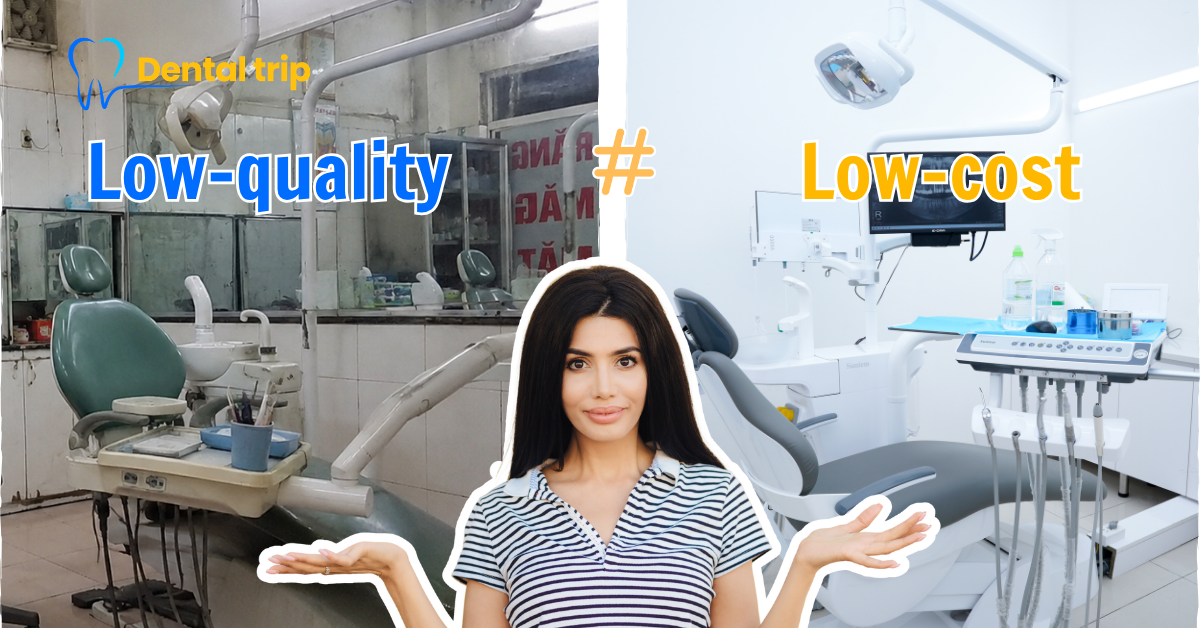
Myth #1: Low-Cost Dental Care Means Low-Quality Treatment
One of the most common misconceptions about dental care in Vietnam is that lower prices must indicate lower treatment quality. This assumption is understandable because patients often associate high prices with premium healthcare. However, dental treatment costs are influenced by many factors beyond the quality of care itself, making this comparison far more complicated than it first appears.

Why Many Patients Assume Cheaper Treatment Means Lower Standards
For many international patients, the biggest surprise about dental care in Vietnam is the price difference. Procedures such as dental implants, veneers, and crowns can cost significantly less than comparable treatments in Australia or the United States. When patients first encounter these price gaps, it is natural to question whether the lower cost reflects lower-quality materials, less experienced dentists, or outdated treatment methods.
The assumption becomes even stronger because healthcare is often viewed differently from other services. Most patients are willing to pay more for medical treatment if they believe it increases safety, reliability, or long-term outcomes. As a result, a treatment plan that appears substantially cheaper can create uncertainty, particularly for patients who have never visited Vietnam or experienced its healthcare system firsthand.
Implants in Vietnam are only a fraction of the price back home. There must be a catch, right?
Facebook international patients asked
However, treatment costs and treatment quality are not always directly connected. In dentistry, pricing is influenced by many factors beyond clinical care, including labor costs, operating expenses, commercial rent, insurance systems, and local economic conditions. Understanding these differences is important because it helps explain why dental care in Vietnam can be considerably more affordable while still providing access to modern technology, experienced dentists, and internationally recognized treatment materials.
>>> Read more: Why Are Dental Tourism Packages Cheaper in Vietnam?
What Actually Determines Dental Treatment Quality
The quality of dental treatment depends on several factors working together, including accurate diagnosis, treatment planning, clinical experience, restorative materials, and the technologies used throughout the process. While cost is often the first thing patients notice, it rarely provides a complete picture of the standard of care they can expect.

For example, a highly experienced implant dentist using CBCT imaging and internationally recognized implant systems may achieve better outcomes than a less experienced provider, regardless of whether the clinic is located in Vietnam, Australia, or the United States. The same principle applies to cosmetic dentistry, where careful planning and clinical expertise often have a greater influence on results than the overall treatment price.
For this reason, patients evaluating dental care in Vietnam should look beyond pricing alone. Understanding a clinic's qualifications, technology, treatment approach, and experience with similar cases usually provides a much more reliable indication of quality than comparing costs alone.
Why Dental Care in Vietnam Can Cost Less Without Lowering Standards
One of the primary reasons dental care in Vietnam remains affordable is the country's lower operating costs. Clinic rental expenses, staffing costs, utilities, and administrative overhead are generally lower than those found in Australia, North America, or Western Europe. These savings allow clinics to offer competitive pricing without necessarily reducing investment in technology, materials, or professional training.
 Ask AI About This Clinic
The dental industry in Vietnam has also become increasingly competitive. As more clinics invest in advanced technology and target international patients, providers are motivated to improve service quality while maintaining attractive pricing. This competitive environment benefits patients by creating greater access to modern dental care at lower overall costs.
For international patients, the key takeaway is that affordability and quality are not mutually exclusive. The lower cost of dental care in Vietnam often reflects economic differences rather than differences in clinical capability or treatment standards.
>>> Read more: Compare Dental Tourism Package in Vietnam and Thailand for International Patients in here.
Myth #2: Dentists in Vietnam Are Not Qualified for Complex Procedures
Another widespread misconception is that dentists in Vietnam are only suitable for basic procedures such as cleanings, fillings, or simple extractions. Some patients assume complex treatments should only be performed in countries with longer-established dental tourism industries or more expensive healthcare systems.
I wouldn't trust major dental work outside Australia. Are dentists in Vietnam actually qualified for implants and full-mouth restoration?
Facebook international patients asked
In reality, many dentists in Vietnam routinely perform advanced procedures ranging from dental implants and full-mouth rehabilitation to orthodontics and cosmetic smile makeovers. Understanding how dentists are educated and trained can help patients evaluate providers more accurately.
How Dentists in Vietnam Are Educated and Licensed
Dentists in Vietnam complete formal university-level dental education that combines classroom instruction, laboratory training, and supervised clinical experience. During their studies, students develop knowledge across a wide range of disciplines including oral surgery, restorative dentistry, prosthodontics, orthodontics, periodontics, and patient care.

After graduation, dentists must meet licensing requirements before they can independently treat patients. These regulations help establish minimum standards for professional practice and patient safety. Like many healthcare professions, dentistry requires both theoretical understanding and practical clinical competency before practitioners are permitted to work independently.
For international patients, this educational foundation is important because it demonstrates that dentists in Vietnam follow structured training pathways similar to those found in many other countries. Professional qualification is not determined solely by geography but by education, licensing, and ongoing development throughout a dentist's career.
>>> Read more: 7 good dentists in Hanoi for high-quality dental treatment
Advanced Training Beyond General Dentistry
Many of the procedures most commonly associated with dental tourism require education beyond general dental training. Implant dentistry, cosmetic rehabilitation, Invisalign treatment, and full-mouth restoration often involve specialized techniques and technologies that dentists continue studying long after graduation.
It is increasingly common for dentists in Vietnam to participate in continuing education programs, international conferences, implant workshops, and manufacturer-led training courses. Organizations such as ITI, ICOI, Straumann, Nobel Biocare, Osstem, and Invisalign regularly provide educational opportunities that help clinicians refine their skills and stay current with modern treatment protocols.
This ongoing commitment to professional development is one of the reasons many providers are able to offer increasingly sophisticated treatment options to international patients. Advanced training allows dentists to incorporate new technologies, materials, and treatment approaches into everyday practice rather than relying solely on knowledge gained during dental school.
>>> Read more: Dentists in Vietnam: Are They Qualified for International Dental Care?
Why Experience Often Matters More Than Geography
Patients sometimes assume that treatment quality can be predicted based on country alone. However, clinical outcomes are often influenced more by individual experience than location. A dentist who performs implant procedures every week may be better equipped to manage complex cases than someone who only performs them occasionally, regardless of where the clinic is located.
Experience also influences diagnosis, treatment planning, communication, and the ability to manage unexpected challenges during treatment. These skills develop over time through practical clinical exposure rather than through location alone.
For this reason, international patients should focus on a provider's experience with specific procedures rather than assuming quality differences based purely on country of practice. Evaluating qualifications, case history, and treatment expertise usually provides more meaningful insight than relying on stereotypes about healthcare systems.
Myth #3: Modern Dental Technology Is Only Available in Western Countries
Technology is often one of the first things international patients consider when evaluating dental care abroad. Many people assume advanced equipment and digital dentistry systems are primarily available in countries such as Australia, the United States, Germany, or the United Kingdom. While this may have been true decades ago, the dental industry has become increasingly globalized, making modern technologies accessible in many countries, including Vietnam.
Do dental clinics in Vietnam even use the same technology and equipment as clinics in the US or Australia?
Facebook international patients asked
CBCT and Digital Diagnostics Are Widely Available
Accurate diagnosis is the foundation of successful dental treatment. Today, many modern dental clinics in Vietnam utilize CBCT imaging, digital panoramic x-rays, and intraoral scanners to support treatment planning for implants, orthodontics, and complex restorative cases. These technologies provide significantly more information than traditional two-dimensional imaging and help dentists evaluate oral structures with greater precision.

For example, implant treatment relies heavily on understanding bone volume, nerve location, and surrounding anatomy before surgery begins. CBCT scans allow dentists to visualize these structures in three dimensions, reducing uncertainty and supporting more predictable treatment planning. As a result, advanced diagnostic technology has become increasingly common in clinics serving both local and international patients.
Digital Dentistry Has Changed the Treatment Process
Modern dentistry extends beyond diagnosis. Digital workflows are now used throughout treatment planning, smile design, laboratory communication, and restorative fabrication. Technologies such as CAD/CAM systems, digital impressions, and computer-assisted design allow dentists to improve both efficiency and accuracy compared with traditional methods.
For example, many clinics can now replace conventional impression materials with digital intraoral scanners, creating a more comfortable experience for patients while improving precision. Digital workflows also allow dentists and laboratories to collaborate more effectively, helping produce restorations that fit more accurately and require fewer adjustments.
>>> Read more: How to Book a Dental Tourism Package in Vietnam?
Technology Supports Quality, But It Is Not Everything
Although advanced equipment is important, technology should not be viewed as a guarantee of treatment quality. Modern tools provide valuable information and improve workflow efficiency, but successful outcomes still depend on how that information is interpreted and applied by the treating dentist.
For example, two clinics may utilize the same CBCT system and implant software, yet achieve different outcomes because of differences in diagnosis, treatment planning, and clinical experience. Patients should therefore view technology as one component of quality care rather than the sole indicator of treatment standards.
Myth #4: Dental Implants in Vietnam Are Riskier
Dental implants are among the most popular procedures sought by international patients, but they are also surrounded by misconceptions. Some people assume implant treatment performed abroad is inherently riskier than treatment performed in Australia or the United States. In reality, implant success depends on a range of clinical factors that have little to do with geography alone.
I'm interested in dental tourism, but isn't getting implants overseas much riskier than having them done at home?
Facebook international patients asked
Implant Success Depends on Planning, Not Location
The long-term success of dental implants is influenced by proper diagnosis, bone quality, surgical technique, restorative planning, and ongoing maintenance. These factors remain important regardless of where treatment takes place. A well-planned implant case performed by an experienced clinician is generally more likely to succeed than a poorly planned case performed in a higher-cost market.
For example, before implant surgery begins, dentists must evaluate bone availability, identify anatomical limitations, and determine the most appropriate implant position. These decisions often have a greater impact on outcomes than the country in which the procedure is performed.
Many Clinics Use Internationally Recognized Implant Systems
Another misconception is that lower treatment costs automatically mean lower-quality implant materials. In reality, many dental clinics in Vietnam work with internationally recognized implant brands such as Straumann, Nobel Biocare, Osstem, Dentium, and Hiossen. These systems are supported by extensive clinical research and are widely used throughout the global dental industry.

For patients, this means treatment decisions should focus on the implant system being used, the dentist's experience, and the overall treatment plan rather than assumptions about location. Understanding these details often provides a more accurate picture of quality than comparing prices alone.
Long-Term Maintenance Matters Just as Much
Successful implant treatment does not end when the implant is placed. Long-term outcomes depend on oral hygiene, routine maintenance, professional follow-up care, and patient compliance with post-treatment recommendations. These responsibilities remain largely the same whether treatment is performed in Vietnam, Australia, or any other country.
Patients who understand this long-term commitment are often better positioned to achieve durable implant outcomes. The quality of ongoing care frequently influences success rates as much as the initial surgical procedure itself.
Myth #5: Language Barriers Make Dental Treatment Difficult
Many first-time dental tourists worry that communication challenges will create confusion throughout the treatment process. While language barriers can exist in any international healthcare setting, the reality is often very different from what patients expect.
International Patients Have Become a Major Focus
As dental tourism has expanded, many clinics have adapted their services to better support overseas visitors. English-speaking treatment coordinators, multilingual staff, and internationally focused patient teams have become increasingly common, particularly among clinics that regularly work with patients from Australia, North America, and Europe.
What happens if I can't communicate clearly with the dentist? That sounds stressful.
Facebook international patients asked
Because international patients now represent an important segment of the market, communication is often viewed as a critical part of the overall patient experience rather than an afterthought. Many clinics actively invest in systems that make consultations and treatment planning easier for foreign visitors.
Much of the Planning Happens Before Arrival
Modern communication tools have significantly changed how patients prepare for treatment abroad. Many clinics now offer online consultations, digital treatment planning, and remote case reviews before patients travel to Vietnam. This allows patients to discuss concerns, share x-rays, and receive preliminary treatment recommendations in advance.
For example, an implant patient may already understand the proposed treatment plan, estimated timeline, and expected costs before boarding a flight. This preparation reduces uncertainty and helps patients arrive with realistic expectations regarding their treatment journey.
DentalTrip Helps Simplify Communication
One reason many patients use DentalTrip is to make the research and communication process more straightforward. Understanding treatment options, comparing providers, and preparing questions before traveling can often feel overwhelming, particularly for first-time dental tourists.
By providing information about clinics, treatments, and patient considerations, DentalTrip helps patients navigate the planning process with greater confidence. Better preparation frequently leads to smoother communication and a more predictable treatment experience overall.
Myth #6: Dental Tourism Is Only About Saving Money
Cost savings are often what initially attracts patients to dental tourism, but reducing the entire industry to price alone overlooks many of the reasons patients choose treatment abroad. For many international visitors, value is ultimately more important than cost.
Quality and Technology Influence Decisions
Many patients begin researching dental care in Vietnam because they discover significant price differences compared with their home countries. However, after comparing providers, they often become equally interested in treatment quality, available technologies, and clinical expertise. These factors play a major role in determining whether patients ultimately move forward with treatment.
People only go to Vietnam because it's cheap, not because the treatment is actually good.
Facebook international patients asked
For example, a patient considering implants may initially focus on cost comparisons but later prioritize implant systems, diagnostic technology, and dentist experience when making a final decision. The treatment outcome often becomes more important than the initial savings alone.
Faster Access to Care Can Be Valuable
In some healthcare systems, patients face long waiting periods before receiving consultations or specialist treatment. Dental tourism can provide access to care within a much shorter timeframe, allowing patients to begin treatment sooner and address oral health concerns before they become more complex.
This benefit is particularly relevant for patients dealing with missing teeth, damaged restorations, or ongoing discomfort. The ability to receive timely treatment can improve both convenience and quality of life while reducing the need for prolonged delays.
Patients Are Increasingly Looking for Overall Value
The most successful dental tourism decisions are rarely based on finding the lowest possible price. Instead, patients typically evaluate the balance between treatment quality, technology, provider experience, convenience, communication, and overall cost. This broader concept of value explains why dental tourism continues to grow even as patients become more informed and selective.
For many international patients, the appeal of Vietnam dental tourism lies not simply in affordability, but in the opportunity to access modern treatment while making more efficient use of their healthcare budget.
Many of the assumptions surrounding dental care in Vietnam are based on outdated perceptions rather than the realities of today's dental industry. While lower treatment costs often attract initial attention, factors such as dentist qualifications, modern technology, treatment planning, and patient support ultimately play a much greater role in determining treatment quality. By looking beyond common myths and focusing on objective indicators of care, patients can make more informed decisions about their treatment options. DentalTrip helps simplify that process by providing reliable information, treatment insights, and resources that allow international patients to evaluate dental care in Vietnam with greater confidence.
FAQ
Common questions international patients ask before booking.
Related Articles
Explore more articles related to this topic.


Browse topics
Explore the main DentalTrip guide categories.